
Sooner or later, most successful single-trade home service businesses face the same question: do we add another trade? The plumber's customer needs an electrician. The roofer's customer needs a decorator. Each unfulfilled need is a customer relationship being handed to a competitor. The temptation to bring the work in-house is strong.
Sometimes expanding is the right move. Just as often, it's the move that ends a healthy business. Here's how to tell.
The three good reasons to expand
1. You have a large, unfulfilled adjacent need in your existing customer base. If 40% of your plumbing customers ask about heating and you're referring them out, adding heating in-house is defensible. The customer relationship is already there. The acquisition cost is zero.
2. Your trade is highly seasonal and an adjacent trade is countercyclical. Roofers adding gutter-clear and internal repairs. Landscapers adding snow removal. Filling the trough with adjacent work is one of the strongest reasons to expand.
3. A key competitor is under-serving a specific adjacent segment. If you can genuinely see a gap in the market — not just a hope — expansion into that gap can work.
The three bad reasons to expand
1. Revenue envy. "The electricians I work with seem to be doing better than us." This is not a reason. It's an insecurity. Electrical work looks profitable from the outside because you don't see their overheads.
2. Boredom. "I'm bored of doing the same trade for 20 years." Fair enough as a personal reason, but the business will suffer. If you're bored, hire a general manager and take a sabbatical, don't add a trade.
3. Fear of falling behind. "Everyone else seems to be a multi-trade now." No they're not. Highly focused single-trade businesses are often the most profitable operators in a market. Focus is a competitive advantage.
The operational cost of multi-trade
Adding a trade doesn't just add revenue. It adds a step-change in operational complexity.
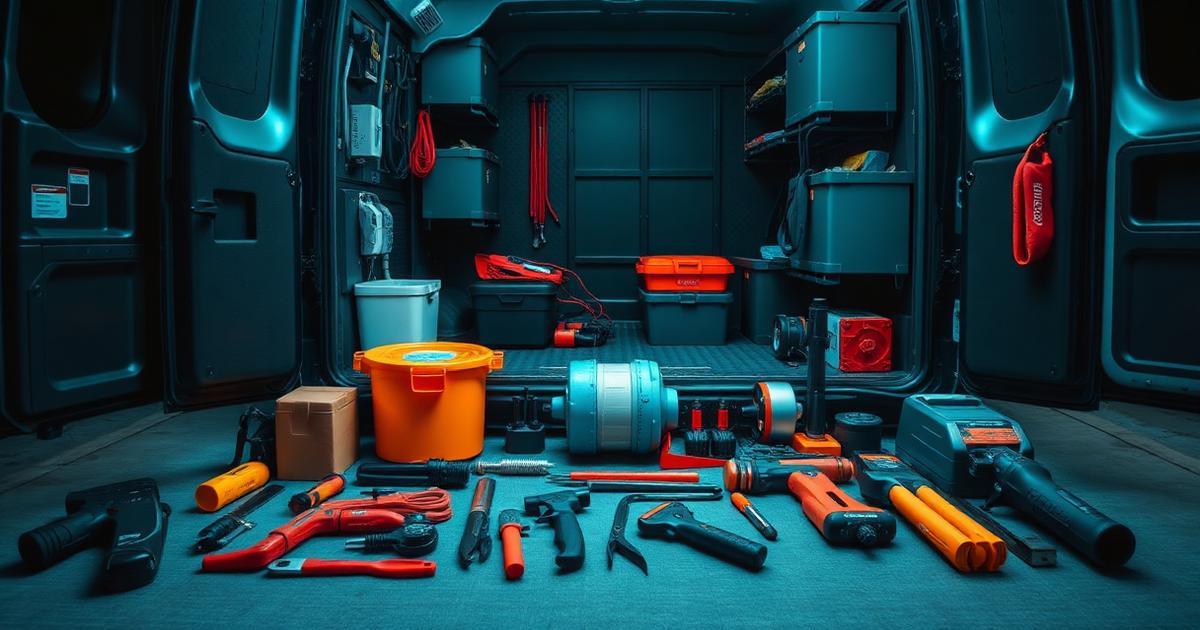
Different tools, different vans, different stock. Each trade needs its own kit. Cross-loading vans works badly.
Different regulations, different insurance. Adding electrical means Part P. Adding gas means Gas Safe. Adding roofing means working-at-height regs. Each layer of compliance costs money and attention.
Different customer expectations. The customer who is patient with a decorator is furious with a plumber for the same delay. Cross-trade service standards don't transfer automatically.
Different pricing models. Trades price differently. Electricians often day-rate. Plumbers often job-rate. Cleaners often flat-rate. Running multiple pricing models under one roof confuses your team and your customers.
Different marketing. SEO for "emergency plumber near me" is different from SEO for "electrician near me". You end up either underinvesting in each or blowing your marketing budget across too many channels.
Most home service businesses underestimate all of these until they're six months in and the P&L has gone sideways.
The sequence that usually works
If you decide expansion is right, sequence matters.
Step 1: Partnership before employment. Before hiring in the new trade, partner with a subcontractor in it. Refer work to them for six months. See how the workflow feels. See what customers actually ask for. See what the margins look like.
Step 2: Bring one specialist in-house. Hire one experienced tradesperson in the new trade. Not two. Give them a defined book of work and let them stabilise for six months before expanding.
Step 3: Standardise the paperwork. Quote templates, invoice formats, job reports, warranties. All should look and feel the same across trades. Customers should not be able to tell you added a division last year.
Step 4: Cross-sell only after the new trade is stable. For at least the first 12 months, don't push the new trade to existing customers of the old trade. Fulfil demand as it arises. Actively cross-selling too early creates volume the new trade can't handle, and quality collapses.
The multi-trade brand question
There is a real choice about whether to run multiple trades under one brand or under sub-brands.
One brand works when the trades are clearly related and the customer benefit is "one contractor for everything." Plumbing + heating + gas is a natural bundle. Electrical + heating + smart home is a natural bundle.
Sub-brands work when the trades are less obviously related, or when the target customer is different. A residential HVAC company launching a commercial refrigeration division may want distinct brands.
Most home service businesses over-complicate this. When in doubt, one brand is simpler, cheaper, and easier to market.
The management gap that kills expansion
The single biggest reason multi-trade expansions fail is not operational or marketing — it's management.
A single-trade business can be managed by a hands-on founder who knows every job. A multi-trade business cannot. It requires either delegation to trade leads or the founder learning to manage what they don't personally know how to do.
Most founders can't do this. They micromanage the trade they understand and neglect the one they don't. The neglected trade produces poor quality, damages the brand, and eventually gets shut.
If you're not prepared to hire and trust a lead for the new trade, don't add the new trade.
When single-trade is the right answer
There is nothing wrong with staying single-trade. Some of the healthiest home service businesses at every size are focused single-trade operations that got very good at one thing and priced accordingly.
A £3M single-trade plumbing company with 30% margins is a better business than a £5M multi-trade company with 12% margins. Focus is legitimate. It's not "playing small" — it's a strategic choice with real advantages.
What to do this quarter
If you're considering expansion, don't decide on gut. Answer these five questions in writing:
1. What percentage of your existing customers are asking for the new trade? 2. What's the referral fee you'd earn if you just referred it out? 3. What's the realistic profit contribution of the new trade after real overheads? 4. Do you have a specific person in mind to run it? 5. Is your existing trade running at 90%+ of its potential yet?
If the answers point to expansion, sequence it properly. If they point to focus, invest deeper in what you already do best.
Absolutely supports single-trade and multi-trade operations with per-trade templates, pricing and workflows, so the platform grows with the business rather than forcing the shape. Free for a limited time.