
An emergency callout is often the first time a property manager, host, or landlord sees how you work under pressure. The issue may be stressful: a leak, lock failure, electrical fault, heating problem, drainage blockage, or appliance breakdown. The client needs help quickly, but they are also judging whether you are someone they can trust with future work.
That makes every emergency callout an opportunity.
If you handle the job well, communicate clearly, and close the loop properly, you can turn a one-off urgent job into a long-term relationship.
Step 1: Respond like the client has multiple people watching
In property maintenance, the person who contacts you may not be the only person affected. A guest may be waiting in the property. A tenant may be anxious. An owner may be asking for an update. A cleaner may need to know whether the property is usable. A next booking may be at risk.
Your first response should make it easy for the client to update everyone else.
A strong first reply includes:
- Confirmation that you have received the issue.
- Whether you can attend.
- An estimated arrival window.
- Any immediate safety or access instructions.
- What information you need before attending.
That does not need to be complicated. It just needs to be clear.
Step 2: Ask for the right information before you go
Emergency jobs often waste time because the contractor receives half the story. Before setting off, ask for the essentials:
- Property address and access instructions.
- Photos or video of the issue.
- Whether water, power, or gas has already been isolated if relevant.
- Contact details for anyone on site.
- Whether the property is occupied, checked out, or between stays.
- Any known history of the problem.
This helps you arrive prepared and reduces the chance of a failed visit.
Step 3: Give a status update when you arrive
Property clients hate wondering whether a contractor actually turned up. A quick “on site now” message gives reassurance immediately.
It also protects you. If access is unavailable, if the issue is different from what was reported, or if the job requires authorisation before you proceed, you have a clear record from the start.
Step 4: Explain the cause, not just the repair
A completed repair is useful. A clear explanation is better.
For example, “toilet fixed” closes the immediate job but does not help the property manager understand risk. A better update might say: “Toilet blockage cleared. Cause appears to be wipes in pan. Toilet now flushing correctly. Recommend guest notice in bathroom if this has happened before.”
This kind of note shows that you are thinking like a maintenance partner, not just a tradesperson completing a ticket.
Step 5: Document photos, notes, and recommendations
Emergency jobs can lead to disputes if there is no record. Photos, notes, timestamps, and follow-up recommendations help everyone understand what happened.
Your completion update should ideally include:
- What you found.
- What you did.
- Whether the issue is fully resolved or temporarily made safe.
- Any parts required.
- Any follow-up work recommended.
- Photos where useful.
That record helps the property manager update guests, owners, tenants, insurers, and internal teams.
Step 6: Follow up after the pressure has passed
This is where many contractors miss the opportunity. Once the emergency is fixed, send a simple follow-up message the next day or after the weekend. Ask whether everything is still working and whether they need a quote for any preventative work.
That one step can turn a callout into a conversation about ongoing maintenance.
Final thought
Emergency callouts are high-pressure moments, but they are also high-trust moments. Property managers remember the contractor who responded quickly, communicated clearly, protected the guest or tenant experience, and left a proper record.
Absolutely helps property teams manage urgent issues from report to resolution, giving contractors a clearer way to receive jobs, share updates, and become part of a more reliable maintenance process.
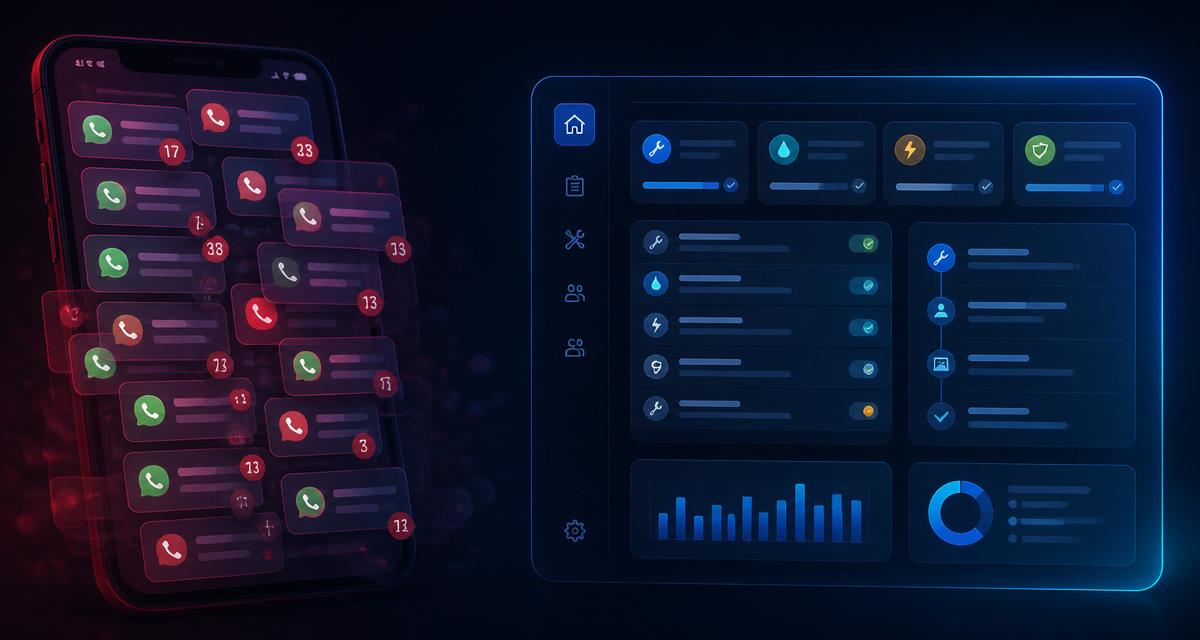
Want to turn urgent issues into organised workflows? Absolutely helps property teams and service pros keep emergency maintenance moving without losing details in calls, texts, and inboxes. Free for a limited time.